The Heavy Breath: What You’re Actually Up Against with Pneumonia
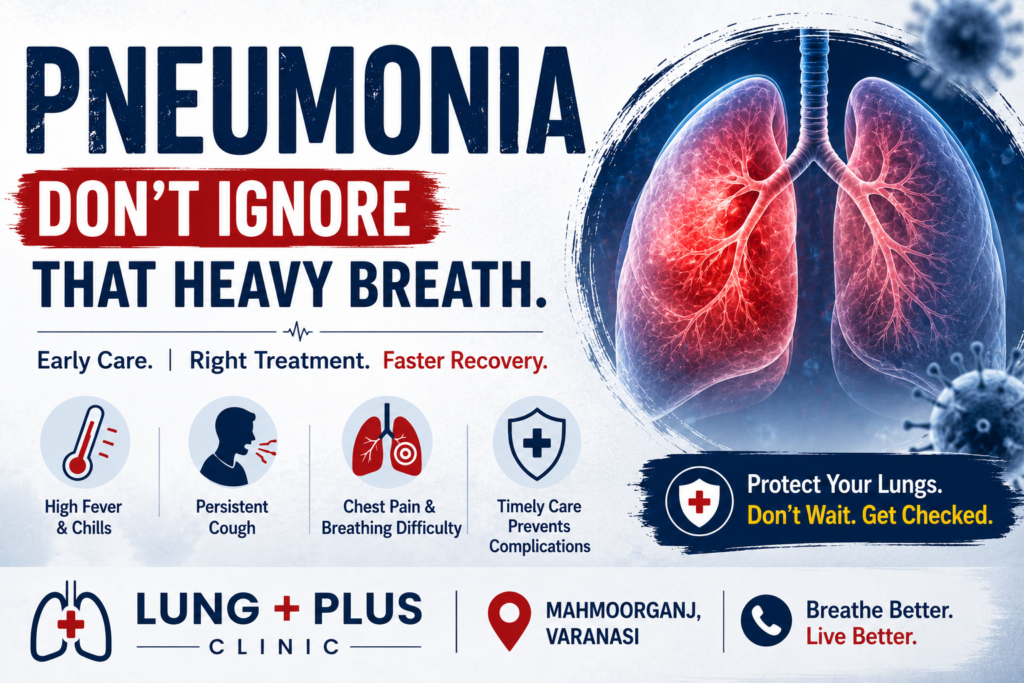
There is a specific moment when you realize a cold has turned into something much worse. It’s that sharp, catching pain in your ribs when you try to take a deep breath, or the way a flight of stairs suddenly feels like climbing a mountain. Pneumonia isn’t just a “bad chest cold.” It’s an actual infection deep inside the air sacs of your lungs. When those sacs fill up with fluid instead of air, every breath becomes hard work. If you or someone in your house is dealing with this right now, you don’t need medical jargon—you need to know what to look for, what to expect, and how to actually get your energy back. The Different Faces of Pneumonia Doctors don’t just treat “pneumonia”—they treat the specific culprit behind it. If you have bacterial pneumonia, it usually hits you like a train: high fevers, sudden shaking chills, and a painful cough. This requires the right antibiotics, and fast. On the flip side, viral pneumonia (the kind brought on by the flu or COVID-19) doesn’t care about antibiotics; it requires supportive treatments, antivirals, and careful monitoring to make sure your oxygen levels don’t drop. Then there’s what people call “walking pneumonia.” You might not feel sick enough to stay in bed, but you carry around this nagging, dry, hacking cough for weeks. While it feels less urgent, leaving it untreated just wears your lungs down over time. Why Getting an Expert Eye Matters It is incredibly tempting to just buy a bottle of cough syrup and try to sleep it off. But the real danger of pneumonia isn’t just the cough; it’s what happens if the infection spreads. Getting professional respiratory care does a few things right away: Who Needs to Be Crucially Careful? While anyone can catch a lung infection, it is a completely different ballgame for certain people. If you are over 65, or if you’re managing a little one with a deep rattle in their chest, things can escalate incredibly fast. The same goes for anyone already fighting a battle with asthma, COPD, diabetes, or heart issues. When pneumonia stacks on top of an existing condition, it throws the whole body out of balance. If you smoke or vape, your lungs already have a harder time sweeping out dirt and bacteria, making you a prime target for these bugs. What the Road to Recovery Actually Looks Like The biggest surprise for most pneumonia patients is how long the tail end of the illness lasts. With the right medicine, your fever will usually break in two or three days, and your breathing will start to feel a bit lighter. But don’t expect to go back to 100% by next Monday. The cough can linger for three weeks as your lungs slowly clear out the leftover debris. And the fatigue? It is completely normal to feel bone-tired for a month or more. Your body just spent weeks running a marathon on a cellular level; it needs time to rebuild its battery. Why people Choose Dr. Vikas Jaiswal? When your breathing is compromised, you want to see someone who has spent their entire life studying the lungs, not a generalist. Dr. Vikas Jaiswal brought elite-level respiratory care to Varanasi after years of training and working in Delhi’s most intense medical environments. He earned his specialized chest disease credentials from the Vallabhbhai Patel Chest Institute (VPCI)—which is essentially the premier institution for lung health in India. Before opening Lung + Plus Clinic, he spent years handling complex, critical respiratory cases as a consultant at major corporate hospitals like Fortis and Max Superspeciality in Delhi. What makes his approach unique is that he holds advanced fellowships in infectious diseases and cardiology. He doesn’t just look at a chest X-ray in a vacuum; he understands exactly how a severe lung infection puts stress on your heart and your metabolism, ensuring your whole body recovers safely. FAQ Is pneumonia contagious? The pneumonia itself isn’t caught like a cold, but the virus or bacteria that triggered it is. If someone sneezes on you, you might just get a runny nose, while someone else might end up with fluid in their lungs. It all comes down to your immune system and your current lung health. How do I know it’s pneumonia and not just a standard cough? Look for the location of the pain and the fever. A regular cold stays in your nose and throat. Pneumonia lives deep in your chest. If you have a high fever, shaking chills, and a sharp pain under your ribs when you cough, it’s time to see a specialist. Can you actually prevent it? To a massive extent, yes. Vaccines like the pneumococcal shot and annual flu vaccines act like a shield for your lungs. If you are older or have a condition like diabetes or COPD, these shots are the best defense you have against a hospital stay.