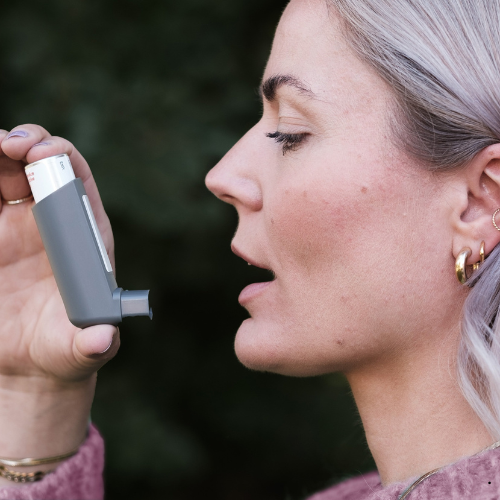
If you have ever had a sudden asthma attack, you already know it is one of the most terrifying experiences a person can go through. That tight, heavy feeling in your chest, the endless coughing fits, and the desperate panic of trying to pull air into your lungs can make you feel completely helpless. For a lot of people, asthma isn’t just an occasional breathing issue—it’s a daily shadow. It dictates where you can go, makes you terrified of dust or a sudden change in the weather, and stops you from enjoying life.
But breathing care has come a long way recently. You don’t have to just live your life out of your pocket, constantly shaking a rescue inhaler or worrying about the next flare-up. With the right personal care, you can genuinely get your lungs back to normal and live without that constant, looming fear of breathlessness.
Conditions Treated
Asthma looks different on everyone, which is why treating it the exact same way for every person never works. A personalized care plan targets the full spectrum of breathing difficulties:
-
- Allergic Asthma: This is when everyday things like dust mites, pollen, pet hair, or smoke instantly trigger a choking feeling.
-
- Non-Allergic Asthma: These are the sudden flare-ups caused by extreme emotional stress, a cold breeze, or a basic viral flu.
-
- Occupational Asthma: Breathing struggles that trouble people who work around chemical fumes, heavy industrial dust, or factory irritants.
-
- Cough-Variant Asthma: A tricky version where a person doesn’t really wheeze at all—they just have a dry, stubborn, hacking cough that refuses to go away, especially late at night when they are trying to sleep.
Benefits
When you finally stop guessing and start a proper, personalized treatment plan, the changes in your life are massive:
-
- Sleep Through the Night: You get to sleep peacefully without waking up gasping for air or coughing continuously at 3:00 AM.
-
- Fewer Emergency Situations: You will notice a huge drop in how often you need to reach for that emergency rescue inhaler, keeping you out of the ER.
-
- Active Living: Your stamina comes back. Walking up stairs, traveling, and exercising become things you can just do without your chest locking up.
-
- True Peace of Mind: You no longer have to live in fear of seasonal changes because your lungs are protected in advance.
Who Needs It?
A lot of people make the mistake of ignoring their symptoms, assuming they just have low stamina or a seasonal cold that won’t leave. You should definitely seek specialized respiratory care if:
-
- You are using your emergency rescue inhaler more than twice a week.
-
- Your wheezing, coughing, or breathlessness keeps waking you up in the middle of the night.
-
- You have recently had a severe chest attack that forced you to visit an emergency clinic or take heavy oral steroid tablets.
-
- Your current routine or home remedies just aren’t giving you that deep, clear breath anymore.
Recovery
You can’t cure asthma like a typical fever, but you can absolutely manage it so perfectly that it basically becomes invisible. Your path to easy breathing happens in a few realistic stages:
-
- Step 1 (The Assessment): You’ll do a quick, painless breathing test called Spirometry to see exactly how much your airways are narrowing.
-
- Step 2 (The Trigger Plan): You and your doctor will pinpoint your exact personal triggers—like certain dusts, weather patterns, or foods—and figure out realistic ways to avoid them.
-
- Step 3 (The Right Balance): You’ll start on a regular, low-dose preventive treatment. Instead of just hiding the symptoms temporarily, this care gently heals the hidden swelling inside your lungs over time.
-
- Step 4 (Independence): Within a few weeks, your airways relax, the wheezing stops, and your lungs get their natural strength back.
FAQs
Are daily inhalers addictive or unsafe for long-term use?
This is probably the biggest myth out there. Modern controller inhalers send tiny, microscopic doses of medicine directly to your lungs where the problem is, rather than letting it travel through your whole body like a heavy pill. They are incredibly safe, non-habit forming, and they actually protect your lungs from permanent damage.
Why does my breathing get worse when it rains or gets cold?
Cold air or high humidity acts as a sudden shock to hyper-sensitive airways. It causes the tiny muscles around your lungs to spasm and tighten up instantly. A proper specialist will help you slightly adjust your daily protection before these big weather shifts hit, so your chest stays completely relaxed.
Why Choose Dr. Vikash Jaiswal?
When you are struggling just to take a deep breath, the last thing you need is a rushed doctor who hands you a generic prescription slip and sends you on your way. You need a specialist who will actually pull up a chair, sit down with you, and take the time to figure out exactly why your lungs are flaring up in the first place. That is exactly why so many families trust Dr. Vikash Jaiswal when it comes to chest and respiratory health. He is the best respiratory doctor in varanasi.
He doesn’t deal in quick fixes. Instead, Dr. Jaiswal looks at how you live your daily life, breaks down exactly what is happening inside your airways in plain, simple terms, and builds a realistic treatment plan that actually fits your routine. By focusing on healing the underlying inflammation rather than just masking the symptoms for a few days, he helps you break free from that constant, exhausting anxiety of your next asthma attack. It’s all about giving you your confidence back so you can breathe easily and live life on your own terms, right here close to home.